
Views: 0 Author: Site Editor Publish Time: 2026-03-11 Origin: Site


Gut health matters more today. Many people now choose Probiotics Capsules. But how many strains are inside? Do more strains mean better results? Dunkang develops advanced Probiotics Capsules. They use researched probiotic strains. These formulas support gut balance. They also support digestion and immunity. In this article, you will learn strain types. You will learn how many strains exist. You will also learn how to choose better probiotics.
Probiotics are classified using a scientific naming system that identifies microorganisms according to three levels: genus, species, and strain, and this classification helps researchers and healthcare professionals accurately identify the specific microorganisms used in probiotic supplements. Each level provides more detailed information about the microorganism, and together they define the exact probiotic organism used in a formulation.
Classification Level | Example | Explanation |
Genus | Lactobacillus | A large bacterial group |
Species | acidophilus | A specific species within the genus |
Strain | NCFM® | A unique microorganism studied in research |
For example, a probiotic labeled Lactobacillus acidophilus NCFM® indicates the genus (Lactobacillus), the species (acidophilus), and the specific strain (NCFM®), and this full identification allows scientists to evaluate the health benefits of that exact microorganism in clinical studies. Probiotic research typically focuses on strain-specific effects because different strains within the same species may perform different functions in the human body.

Although many probiotic supplements list bacterial species on their labels, it is the strain identification that determines whether a probiotic has been studied and shown to provide health benefits. Different strains of the same bacterial species may have unique characteristics that affect how they interact with the gut microbiome, influence immune responses, or assist in digestion.
For example, one strain of Lactobacillus may help reduce symptoms of diarrhea, while another strain of the same species may help regulate immune responses or support gut barrier function. Because of these differences, high-quality probiotic products focus on including strains that have been studied in clinical research and shown to provide measurable health benefits.
This approach is reflected in advanced probiotic formulations such as Dunkang’s Probiotics Capsules, which incorporate clinically researched strains designed to support intestinal flora balance and digestive health while ensuring that each strain included in the formulation contributes to the overall effectiveness of the product.
Most probiotic supplements contain beneficial microorganisms from several well-known bacterial groups that naturally exist within the human digestive tract. These microorganisms play an important role in maintaining the balance of the gut microbiome, helping beneficial bacteria thrive while limiting the growth of harmful microorganisms that may contribute to digestive discomfort, inflammation, or other gastrointestinal problems. A balanced microbiome supports healthy digestion, nutrient absorption, immune regulation, and the protection of the intestinal lining.
Common probiotic microorganisms include:
● Lactobacillus
Each of these microbial groups contains many different probiotic strains, and each strain may provide unique health benefits depending on its biological activity and interaction with the gut environment. For example, Lactobacillus strains are widely known for their ability to produce lactic acid, which helps maintain an acidic intestinal environment that discourages harmful bacteria from growing while also supporting digestive processes and strengthening the gut barrier.
● Bifidobacterium
Bifidobacterium strains are another important group of beneficial bacteria commonly found in the human colon. These microorganisms help maintain microbial diversity, support immune system activity, and assist in breaking down dietary fiber into beneficial compounds that nourish intestinal cells. Because of these properties, Bifidobacterium strains are frequently included in probiotic supplements designed to promote long-term gut balance.
● Saccharomyces
Saccharomyces is a beneficial yeast commonly used in probiotic supplements, with Saccharomyces boulardii being one of the most well-known strains. Unlike bacterial probiotics, this yeast can survive antibiotic treatment and continue supporting gut balance. It is often used to help maintain digestive stability, reduce the risk of antibiotic-associated diarrhea, and support the restoration of healthy intestinal microflora.
● Bacillus
● Bacillus species are spore-forming probiotics that are highly resilient and capable of surviving harsh environmental conditions such as stomach acid and heat. Because of their protective spore structure, Bacillus strains can reach the intestines more effectively and remain stable during storage. These probiotics are often included in supplements to support digestive enzyme activity, improve nutrient absorption, and help maintain a balanced gut microbiome.
● Streptococcus
● Certain Streptococcus strains, such as Streptococcus thermophilus, are beneficial bacteria commonly used in fermented foods and probiotic formulations. These microorganisms help support digestion by assisting in the breakdown of lactose and other nutrients, while also contributing to the balance of intestinal bacteria. In probiotic capsules, they are often combined with Lactobacillus and Bifidobacterium strains to enhance overall digestive support.
When reading probiotic labels, consumers may notice that some supplements list only the genus or species of the microorganisms, while others provide the full strain designation. The strain name is usually a combination of letters and numbers that follow the species name, indicating the exact microorganism studied in clinical research.
A complete probiotic label may appear as follows:
Label Example | Meaning |
Lactobacillus | Genus |
Lactobacillus acidophilus | Species |
Lactobacillus acidophilus NCFM® | Specific strain |
Supplements that clearly identify the strain provide greater transparency and allow consumers to evaluate whether the product contains microorganisms supported by scientific research.
Some probiotic supplements contain only a single strain, and these products are typically designed to target a specific health concern. Because clinical trials often evaluate individual probiotic strains, single-strain supplements can sometimes offer clear evidence supporting their effectiveness.
Single-strain probiotics may be recommended for targeted digestive support, particularly when a specific strain has been studied for a particular condition such as antibiotic-associated diarrhea or gastrointestinal imbalance.
Many modern probiotic supplements contain multiple probiotic strains, which allows the product to support several aspects of digestive health at the same time. Multi-strain formulas typically combine bacteria that perform different roles in the gut microbiome.
A typical multi-strain probiotic may include bacteria that support digestion, improve microbial balance, and strengthen the intestinal barrier simultaneously, which helps create a more comprehensive approach to gut health.
Advanced probiotic supplements may include 10 or more strains, and these high-diversity formulas aim to mimic the complexity of the natural gut microbiome. Because the human digestive system contains hundreds of bacterial species, some manufacturers attempt to recreate this diversity within probiotic formulations.
However, a higher number of strains does not automatically mean that a probiotic supplement will be more effective, as the quality, stability, and dosage of each strain remain critical factors.
The effectiveness of a probiotic supplement depends not only on the number of strains included in the formulation but also on several additional factors such as the number of viable bacteria, the stability of the microorganisms, and the compatibility between strains.
One of the most important measurements used in probiotic supplements is CFU (Colony Forming Units), which indicates the number of live microorganisms present in a probiotic product. CFU counts help determine whether the supplement contains enough viable bacteria to provide potential health benefits.
Probiotic Type | Typical CFU Range |
Basic probiotic supplement | 1–5 billion CFU |
Standard daily probiotic | 10–20 billion CFU |
High-potency probiotic | 50 billion CFU or more |
High-quality probiotic supplements are designed to maintain viable CFU levels throughout the product’s shelf life, which ensures that the microorganisms remain active and capable of supporting digestive health when consumed.
For example, Dunkang’s Probiotics Capsules are designed with high-potency active cultures and are developed using rigorous quality control processes to ensure stability, potency, and product purity, allowing consumers to rely on consistent probiotic support.
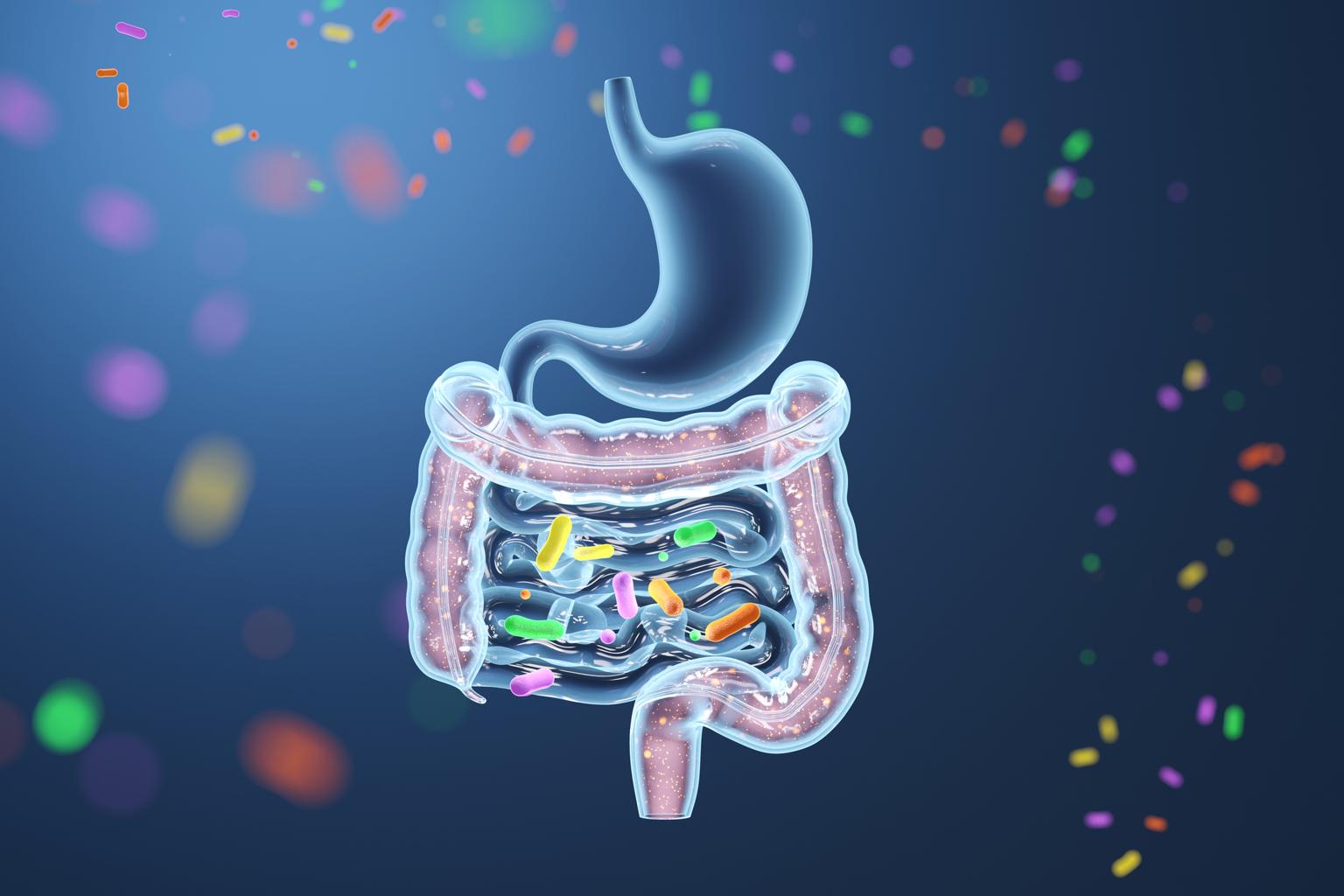
Selecting the right probiotic supplement depends on several factors, including personal health goals, lifestyle needs, and digestive health conditions. Some individuals may benefit from simple probiotic formulas containing a small number of clinically studied strains, while others may prefer broader multi-strain formulas designed to support overall microbiome diversity.
For individuals seeking convenient daily digestive support, multi-strain probiotics may provide balanced microbiome support that helps maintain gut health over time. On the other hand, individuals with specific digestive concerns may benefit from targeted probiotic strains that have been studied for particular digestive conditions.
Probiotic supplements are generally considered safe for healthy individuals, and most people tolerate probiotic strains without experiencing serious side effects. However, some individuals may experience mild digestive symptoms such as bloating or gas when they first begin taking probiotic supplements, as the gut microbiome adjusts to the introduction of new microorganisms.
These symptoms usually improve as the body adapts, but individuals with weakened immune systems or serious medical conditions should consult healthcare professionals before taking probiotic supplements.
Probiotics Capsules contain different strain counts. Some include one strain. Others combine several strains.Effect depends on strain quality. CFU dose also matters. Stable formulas ensure better results.Dunkang Biotechnology Co., Ltd. develops advanced probiotics. Their capsules use researched strains. They support gut balance and digestion.Understanding strain numbers helps consumers. It also helps choose better probiotic products.
A: Probiotics Capsules may contain 1–20 strains.
A: Probiotics Capsules work best with proven strains.
A: Probiotics Capsules combine strains for broader gut support.
A: Check strains, CFU count, and product stability.
A: Not always. Strain quality matters most.


