
Views: 0 Author: Site Editor Publish Time: 2026-06-10 Origin: Site


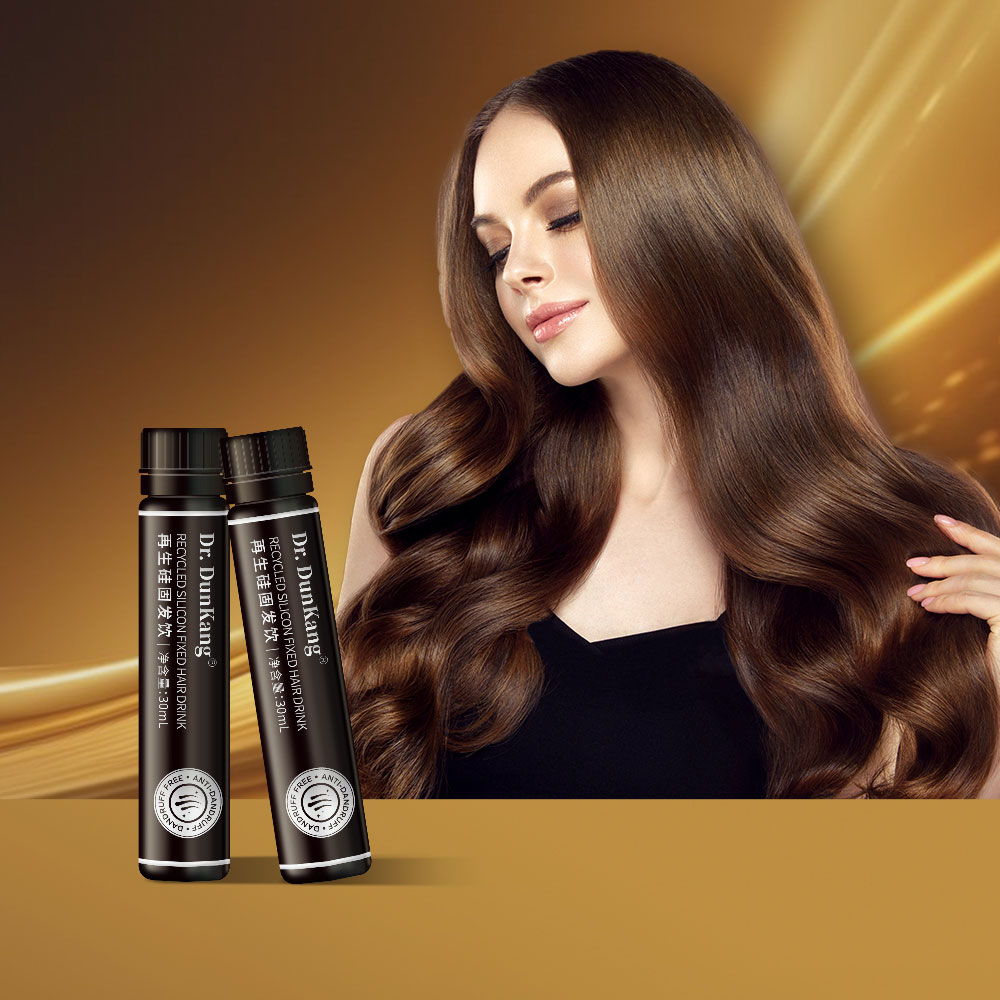
Dunkang Hair Growth Drink for hair nutrition support
Hair growth is never controlled by one nutrient alone. Follicles move through growth, transition, rest, and shedding phases, while the hair shaft depends on protein structure, scalp condition, micronutrient status, and hormonal balance. That is why a serious hair growth supplement should not promise instant regrowth from a single ingredient. A stronger approach is to ask how each ingredient supports the environment where healthy hair can grow.
Silicon is often discussed because it is associated with connective tissue strength, hair fiber quality, and nutrient delivery. In the Hair Growth Drink from Dunkang, the formula direction goes beyond silicon by combining plant extracts, vitamins, collagen peptides, and hair-supporting botanical nutrition. That wider approach makes the product more credible than a one-ingredient trend.
Before evaluating silicon, it helps to understand the hair cycle. Hair does not grow continuously from every follicle at the same speed. A strand may be in an active growth phase, then enter a transition phase, then rest before shedding. Stress, postpartum changes, restrictive dieting, poor sleep, scalp inflammation, aging, and nutrient gaps can all influence this rhythm. Because the process is biological and gradual, realistic support usually takes time.
Consumers often ask whether a hair growth supplement can “regrow” hair. The responsible answer is more nuanced. Nutrition can help support hair quality and follicle health when the body is short of the materials needed for healthy growth. It may also help reduce breakage by improving the condition of the hair fiber. However, supplements should not be framed as a cure for medical hair loss. Persistent, sudden, or patchy hair loss should be discussed with a healthcare professional.
Silicon is not a headline nutrient like biotin or collagen, but it has a meaningful role in beauty nutrition. It is often linked with the formation and maintenance of connective tissues. For hair, the relevant discussion is not that silicon “forces” new hair to appear overnight. It is that silicon may support the strength, resilience, and mineral environment around hair and scalp tissues.
The Dunkang hair drink product page describes water-soluble plant silicon as having an absorption advantage and connects it with nutrient support for hair follicles. This point helps the formula stand apart. Many hair products repeat the same biotin message. A silicon-centered drink can speak to consumers who want a broader, more sophisticated hair nutrition concept.
Silicon also works better as part of a system. Hair fibers contain keratin proteins, while the scalp depends on microcirculation, balanced oil production, and adequate amino acids. A supplement concept that pairs silicon with collagen peptides, botanical extracts, and vitamins can create a fuller nutritional story.
Hair concerns do not look the same for every consumer. Some people notice thinning at the part line. Others see increased shedding in the shower. Some struggle with dull, weak, or brittle hair that breaks before it grows longer. A product developed for a broad hair-health audience should explain which concerns it supports and how.
Hair concern | Likely consumer language | Formula direction that fits |
|---|---|---|
Excess shedding | “More hair is on my pillow or in the drain.” | Gentle long-term follicle support, stress-aware nutrition, botanical and micronutrient balance |
Weak hair fiber | “My hair breaks before it gets long.” | Collagen peptide support, silicon, amino acid nutrition, antioxidant protection |
Flat or dull appearance | “My hair has lost shine and body.” | Hydration, scalp comfort, nutrition for elasticity and surface quality |
Slow visible improvement | “I want results but I know hair takes time.” | Clear usage rhythm, consistent serving, realistic outcome language |
Hair supplements often appear as capsules, tablets, gummies, or powders. An oral drink creates a different user experience. It can feel more like a daily beauty beverage than a clinical supplement. For people who dislike swallowing pills, a drink can reduce friction and improve consistency. For beauty brands, the format also allows flavor, color, bottle design, and ritual language to become part of the product identity.
The Oral Liquid category on Dunkang's site includes beauty and health drinks designed for targeted nutrition. This context matters because hair support is usually not a one-week project. A product should be pleasant enough to use repeatedly. If the taste is heavy, the serving is inconvenient, or the message is unclear, consumers may stop before the formula has time to fit into their routine.
A balanced hair growth supplement article should not focus only on an ingredient list. Scalp condition and lifestyle habits also affect the visible outcome. Over-styling, harsh bleaching, heat tools, tight hairstyles, poor sleep, and restrictive diets can weaken the hair environment. A supplement can be valuable, but it works best alongside gentler hair care and stable daily nutrition.
Brands can use this broader view to make their hair product content more trustworthy. Instead of promising dramatic overnight results, they can position the product as part of a 90-day hair-care routine. That gives the follicle cycle room to change while setting more realistic expectations. It also makes the formula feel more professional.
The product page describes a no-added-water oral liquid concept based on rose flower liquid, along with plant extracts, vitamins, collagen peptides, and tonic herbal materials. It also highlights patent ingredients, including rhubarb concentrate powder and wheat germ concentrate powder. The page connects wheat germ spermidine with follicle-cell autophagy and describes water-soluble plant silicon as a hair-quality support ingredient.
For a published article, these details should be used carefully. The strongest angle is not to overstate medical outcomes. A better angle is to show how the formula combines several mechanisms: follicle environment support, hair-fiber nutrition, beauty drink convenience, and sensory appeal. This makes the content feel specific to the product rather than copied from a generic hair supplement page.
Lead with the hair cycle: Explain that visible hair changes take time and depend on the follicle growth rhythm.
Describe silicon as support: Focus on hair strength, connective-tissue nutrition, and follicle environment rather than miracle regrowth.
Connect supporting nutrients: Collagen peptides, vitamins, and botanicals make the product feel complete.
Use clear compliance language: Avoid disease-treatment claims and recommend medical advice for unusual hair loss.
Build a daily habit: A drink should be easy to take, pleasant to taste, and simple to repeat.
Biotin has become so familiar that many consumers no longer see it as distinctive. A silicon-based hair growth drink creates a different route. It allows the product to speak about plant-based mineral support, follicle nutrition, collagen-assisted hair quality, and a more enjoyable drink ritual. This is especially useful for brands that want to avoid launching another standard capsule with predictable claims.
The Hair Growth Drink can be developed as a premium hair nutrition beverage for adults who want a softer beauty routine. The bottle, flavor, and daily-use language can make the formula feel modern. It should still remain grounded: hair improvement is gradual, and nutrition is only one part of a healthy hair strategy.
A hair drink must balance active nutrition with taste and stability. Silicon, botanical extracts, peptides, and flavor bases can interact with mouthfeel and appearance. During product development, a manufacturer needs to check sediment, aroma stability, sweetness, acidity, bottle compatibility, and fill accuracy. These details decide whether the finished product feels premium in real use.
Dunkang's Manufacturing Capabilities are relevant because oral liquid production requires more than blending ingredients. The company describes clean workshops and production lines for liquid and other dosage forms, while its Quality page emphasizes a quality philosophy and commitments. Those manufacturing and quality links help support a serious hair drink concept.
Hair content becomes more useful when it explains time. Because visible hair growth is slow, consumers should not judge a supplement after only a few days. A 90-day routine gives the product a more realistic framework. During the first month, the focus is consistency: taking the drink as directed, improving sleep, avoiding crash dieting, and reducing aggressive styling. During the second month, users may pay attention to shedding patterns, scalp comfort, and hair texture. During the third month, the evaluation becomes more visual: shine, breakage, baby hairs, or the appearance of density.
This type of routine helps reduce disappointment because it does not promise overnight transformation. It also encourages the consumer to care for hair from multiple angles. A hair growth drink can support internal nutrition, but the outside of the hair still needs gentle shampooing, heat protection, and lower mechanical stress. When the inner and outer routines work together, the product story becomes more believable.
Silicon should not be described as a direct hair transplant alternative, a drug-like growth trigger, or a guaranteed solution for all hair loss. Those claims are not appropriate for a dietary supplement. Silicon is better explained as a supportive beauty nutrient that may help the body maintain stronger hair structure and a healthier follicle environment when used as part of a balanced formula.
Another myth is that more ingredients always means a better formula. A crowded label can confuse consumers if the logic is not clear. A strong hair growth supplement should have a recognizable formula map: silicon for structural support, collagen peptides for hair-fiber quality, selected plant extracts for follicle environment, and vitamins or micronutrients for nutritional balance. This map is more persuasive than a long list of unrelated ingredients.
A hair drink has strong visual potential. The packaging can use botanical colors, hair-shine imagery, or a clean scientific look. The flavor can be positioned as floral, fruity, or light herbal depending on the audience. For a premium beauty line, the drink can be paired with collagen, skin brightening, or sleep-support products to form a complete inner-beauty routine.
Manufacturing details also shape the final result. If the formula contains rose flower liquid, botanical concentrates, and peptides, the manufacturer must balance aroma, sediment, sweetness, acidity, and stability. A successful product should look and taste consistent from the first bottle to the last. That reliability makes the brand feel professional and helps the consumer trust the routine.
Hair supplement feedback should be collected with care. Immediate comments usually focus on flavor, bottle design, sweetness, and convenience. Later comments may mention consistency of use, visible shine, breakage, shedding perception, or scalp comfort. A brand should separate these two types of feedback because they come from different parts of the product experience.
For the first month, sensory feedback is often most useful for improving repeat use. After several months, brands can look at routine adherence and user satisfaction. Clear consumer education helps here. If the label, website, and after-purchase emails all explain that hair routines need time, users are more likely to judge the product fairly and keep using it consistently.
Silicon can play a meaningful role in a hair growth supplement, but it should not be treated as a standalone miracle. Its value is strongest when placed inside a broader formula that supports the hair cycle, scalp environment, and hair-fiber strength. The Dunkang Hair Growth Drink uses silicon within a wider oral liquid concept, giving brands a more distinctive route than ordinary biotin-only products.
A credible hair supplement speaks with patience. It explains the growth cycle, supports consistent use, and connects ingredients with realistic beauty goals. That tone makes the product more trustworthy and gives consumers a clearer reason to make it part of their routine.


