
Views: 0 Author: Site Editor Publish Time: 2026-06-13 Origin: Site


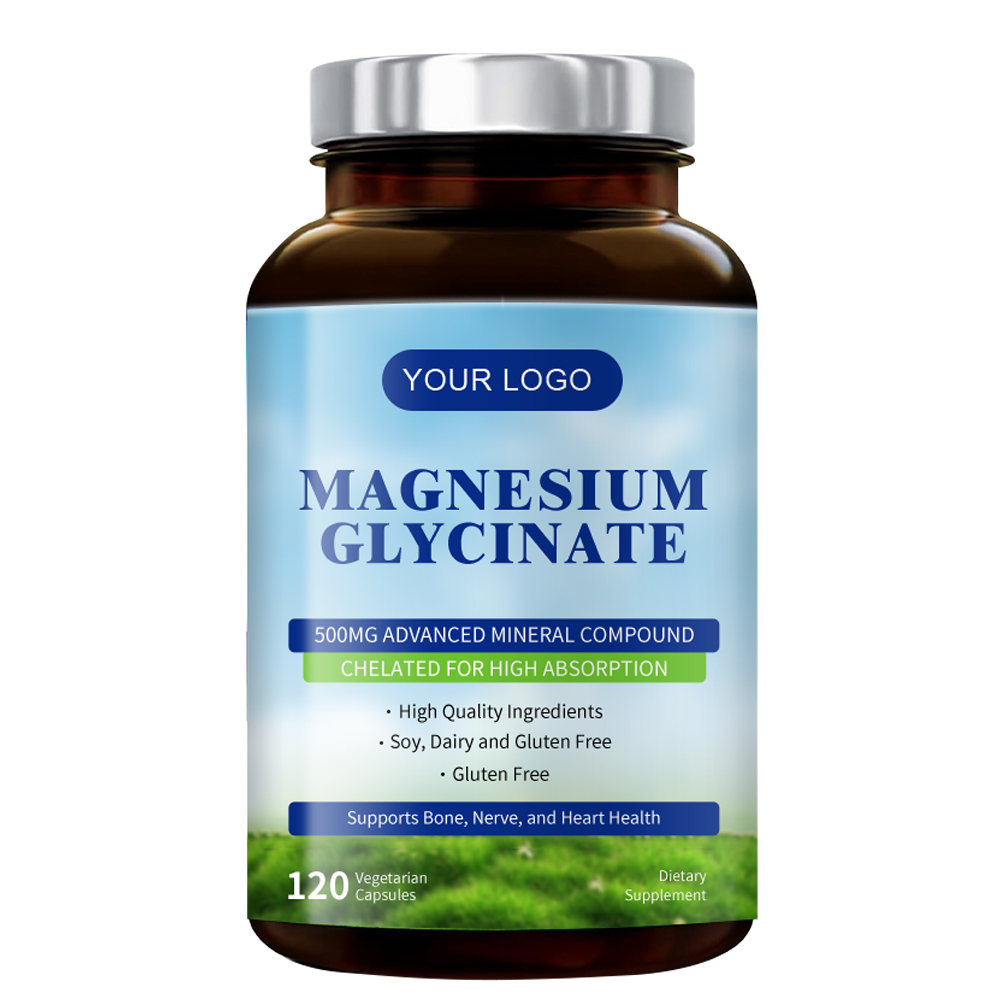
Dunkang Magnesium Glycinate Capsules bottle
Magnesium is involved in hundreds of enzyme-related functions in the body, yet many people still struggle to choose the right form. Magnesium oxide, citrate, malate, chloride, and glycinate can all appear on supplement labels. The names look similar, but the user experience can be very different. Magnesium glycinate is often chosen because it combines magnesium with the amino acid glycine, creating a chelated mineral form known for gentler digestive tolerance and strong usability in daily wellness routines.
The Magnesium Glycinate Capsules from Dunkang provide a focused example of this supplement direction. Unlike beverage-style products, magnesium glycinate is most often positioned as a capsule because the ingredient is used for steady daily support rather than flavor-driven consumption. That difference makes this article distinct from oral liquid topics such as collagen, hair, or sleep drinks.
Magnesium by itself is a mineral ion. To become a supplement ingredient, it is bound to another compound. In magnesium glycinate, magnesium is bound with glycine. Glycine is a small amino acid with a calming association in nutrition discussions. This bond is why magnesium glycinate is often described as chelated. Chelation can help the mineral behave differently during digestion compared with some simpler mineral salts.
Absorption is only part of the story. Tolerance matters just as much. Some magnesium forms may be useful but can be uncomfortable for people with sensitive digestion. Magnesium glycinate is frequently selected because it is less likely to create a harsh bowel response than certain other forms. That makes it attractive for adults who want magnesium support for stress, sleep quality, muscle relaxation, or general wellness without an unpleasant experience.
Different magnesium forms fit different needs. Magnesium citrate is often associated with digestive effects. Magnesium oxide provides a high elemental magnesium percentage but is often discussed as less bioavailable. Magnesium malate may be used in energy-related positioning. Magnesium glycinate is generally positioned around calm, muscles, sleep support, and gentle daily use.
Magnesium form | Common positioning | Key consideration |
|---|---|---|
Magnesium oxide | Simple mineral supplementation | Often discussed as less absorbable compared with chelated forms |
Magnesium citrate | Digestive-related support and general supplementation | May be too active for sensitive users |
Magnesium malate | Energy and muscle wellness discussions | Better for daytime positioning than calm nighttime positioning |
Magnesium glycinate | Gentle absorption, relaxation, sleep, nerve and muscle support | Well-suited for steady daily wellness routines |
One reason magnesium glycinate has become popular is its connection with nervous-system balance. Magnesium participates in normal nerve signaling and muscle relaxation, while glycine is often discussed in relation to calm and rest. Together, they create a formula story that is easy for consumers to understand: a gentle mineral format for people who feel tense, overworked, or sleep-deprived.
This does not mean magnesium glycinate should be described as a treatment for anxiety, insomnia, or medical conditions. A compliant article should say it supports normal nervous-system function, helps maintain relaxation, and can fit a sleep-focused wellness routine. That wording is both accurate in tone and easier for brands to use across markets.
Magnesium is not only a sleep ingredient. It contributes to muscle contraction and relaxation, bone mineralization, and normal cardiovascular function. This gives magnesium glycinate a wide audience, from active adults to older consumers to people building a general daily supplement routine. The benefit language should remain broad but practical.
For muscle support, magnesium helps the body maintain normal muscle function. For bone health, a significant portion of the body's magnesium is stored in bones. For cardiovascular wellness, magnesium participates in normal rhythm and blood pressure regulation. These functions make magnesium glycinate a useful anchor product in a comprehensive nutrition line.
A capsule format has several advantages for magnesium glycinate. It protects taste, gives a clear serving structure, and suits people who already take daily vitamins or minerals. It also makes the product easy to pair with other capsule or tablet supplements in the Dosage Form Classification range.
Unlike a collagen drink or bird's nest peptide beverage, magnesium glycinate does not need a strong sensory experience. Its value is quiet consistency. A simple capsule can communicate clarity, precision, and convenience. For private-label development, this means packaging, label education, and serving guidance become especially important.
Consistency matters: Mineral support works best when used regularly according to label directions.
Timing can be flexible: Some users prefer evening use because of the calm positioning, while others take it with meals.
Digestive comfort matters: Magnesium glycinate is often selected for users who prefer a gentler form.
Medical context matters: People who are pregnant, nursing, taking medication, or managing health conditions should seek professional advice before use.
Clear labeling matters: Brands should explain whether the label states magnesium glycinate compound weight or elemental magnesium amount.
Many magnesium articles repeat the same list of benefits without explaining form selection. A stronger article should help readers understand why glycinate is different. It should compare forms, explain chelation, describe digestive tolerance, and show where the ingredient fits into real routines. That makes the content feel educational rather than promotional.
For a brand, this is also an opportunity to build trust. Consumers who are already comparing magnesium forms are often informed. They may know that not every label is equally clear. Good content can help them check form, serving structure, storage instructions, and whether the product matches their own wellness goal.
Capsule supplements depend on raw material identity, blend uniformity, capsule filling accuracy, appearance, packaging integrity, and stability. Magnesium glycinate can have its own powder flow and density characteristics, so manufacturing experience affects the final product. A capsule that looks simple on the outside still needs careful process control.
Dunkang's Quality page emphasizes quality philosophy and commitments, while the Manufacturing Capabilities page describes production lines covering capsules and other dosage forms. Those pages are relevant for brands that need a dependable magnesium glycinate product rather than only a concept.
Magnesium glycinate may be a good match for adults who want a gentle magnesium format for daily nutrition. It is especially relevant for people who connect magnesium with muscle comfort, sleep-support routines, stress-heavy schedules, or general wellness. It can also be positioned for middle-aged and older consumers who care about bone and cardiovascular support, as long as the article uses responsible supplement language.
It may not be the first choice for every situation. Some consumers may prefer citrate, malate, or other forms depending on their needs. The value of magnesium glycinate is its balance: good usability, calm positioning, and gentle digestion.
Magnesium labels can confuse consumers because they may list the compound weight or the elemental magnesium amount. These are not the same. Magnesium glycinate contains magnesium plus glycine, so the full compound weight is higher than the actual magnesium delivered. A transparent product label should make the serving information clear and easy to understand.
For brand development, this is a major trust point. If the label only highlights a large number without explaining what it represents, informed consumers may become skeptical. Clear supplement facts, serving directions, and ingredient naming help the product feel more professional. This is especially important for magnesium glycinate because many buyers choose it specifically after comparing forms.
Magnesium glycinate can stand alone, but it also fits into broader wellness routines. For sleep-focused products, it may pair with calming botanicals, glycine, L-theanine, or non-habit-forming relaxation ingredients, depending on regional rules. For active consumers, it can sit beside electrolyte products, protein powders, or joint-support supplements. For older adults, it can be paired with bone and cardiovascular wellness concepts.
The important point is that magnesium glycinate should not be forced into every formula. Its identity is strongest when the product needs calm, comfort, and gentle mineral support. If a formula is designed for high-energy daytime stimulation, another magnesium form or a different nutrient system may be more appropriate.
Magnesium is common, but it still deserves responsible directions. People with kidney disease, people taking medications, pregnant or nursing women, and individuals with medical conditions should seek professional advice before using mineral supplements. High intake from multiple products can also become an issue if the consumer combines capsules, multivitamins, powders, and fortified drinks.
Adding this context does not weaken the article. It makes the content more trustworthy. A high-quality magnesium glycinate supplement should be presented as part of normal wellness support, not as a substitute for medical care. This is the tone that serious brands should use.
A premium product is not defined only by the ingredient name. It is defined by raw material choice, capsule appearance, label clarity, packaging protection, storage guidance, and quality control. Magnesium glycinate can absorb moisture if not packed properly, and capsules should remain clean, uniform, and easy to swallow. Small details such as bottle seal, desiccant use, and label readability all contribute to consumer confidence.
For brands planning a magnesium line, the product can also be expanded into stress support, sleep support, women's wellness, active recovery, or middle-aged health. The formula, packaging, and claims should change with the audience instead of using one generic message for every market.
Magnesium shoppers are often confused because the same mineral appears under many names. A useful product page or article should not assume that every reader understands the difference. It should explain the form, the reason for choosing glycinate, the expected routine, and the type of user who may prefer it. This turns a technical mineral into an understandable daily supplement.
Education can also reduce unnecessary comparisons. Magnesium glycinate is not “better” for every possible goal. It is especially attractive when comfort, relaxation, and gentle daily use are the priority. This balanced explanation makes the product feel honest, which is important in a crowded mineral supplement market.
Capsule packaging should protect the product from moisture, heat, and rough handling. A clean bottle, clear lot information, intact seal, and storage instructions all support trust. If the brand serves export markets, label language and compliance review should be included early in development. These details are not decorative; they help the finished product remain consistent from production to consumer use.
Repeat use depends on comfort. A capsule that is easy to swallow, gentle on digestion, and clearly labeled is more likely to become part of a daily habit. For magnesium glycinate, this habit-based value is central. The product may not be flashy, but its quiet practicality is exactly what many consumers want from a mineral supplement.
Magnesium glycinate absorbs better in practical supplement discussions because its chelated structure supports usability and digestive comfort. It pairs magnesium with glycine, making it a strong choice for calm, muscle, sleep, bone, and heart-support positioning. The Magnesium Glycinate Capsules offer a focused capsule format for brands that want a clear mineral supplement without beverage-style complexity.
A well-written magnesium article should not simply list benefits. It should explain why the form matters. When readers understand chelation, tolerance, and routine fit, magnesium glycinate becomes easier to choose with confidence.


